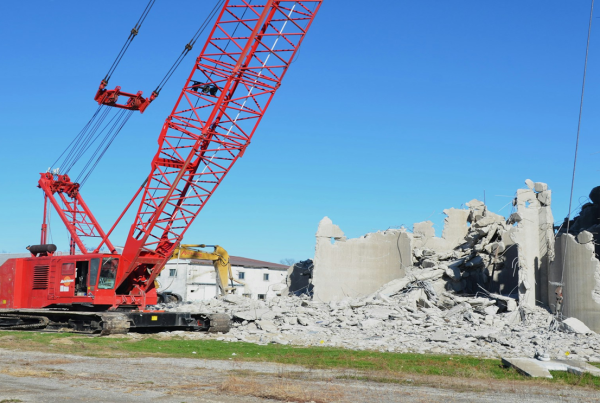


Excavation is an important part of construction projects, but many don’t realize that it could violate green building standards if not managed properly. The choices made during this stage can affect soil health, water management, emissions, material use, and how a structure performs economically and environmentally once it’s built. For engineers, architects and construction professionals, integrating excavation best practices with recognized green building practices is rapidly becoming a priority.
How Excavation Practices Align with Green Building Standards
Construction projects have a massive environmental impact. They’re linked to roughly 23% of air pollution, contributing heavily to climate change. They also account for about 40% of drinking water pollution and generates 50% of landfill waste.
Excavation — a crucial part of construction — significantly contributes to this issue. When done improperly, fuel spills and chemical runoff can contaminate soil, while excessive ground disturbance can lead to erosion.
Organizations worldwide have developed a range of green building standards to address these challenges. These include the Sustainable SITES Initiative, the Green Building Council’s Leadership in Energy and Environmental Design (LEED), the Building Research Establishment Environmental Assessment Method (BREEAM), and the ENERGY STAR program. They guide how buildings are designed, built and operated to reduce environmental impact.
Although these standards often focus on energy use and materials, many of their criteria are influenced by early site work. Excavation frequently affects criteria such as protecting soil and existing vegetation, reducing site disturbance, and limiting construction waste.
For example, careful excavation can support LEED credits related to erosion and sedimentation control. Preserving soil structure and limiting unnecessary digging also helps maintain natural drainage patterns, which reduces pressure on stormwater systems later on.
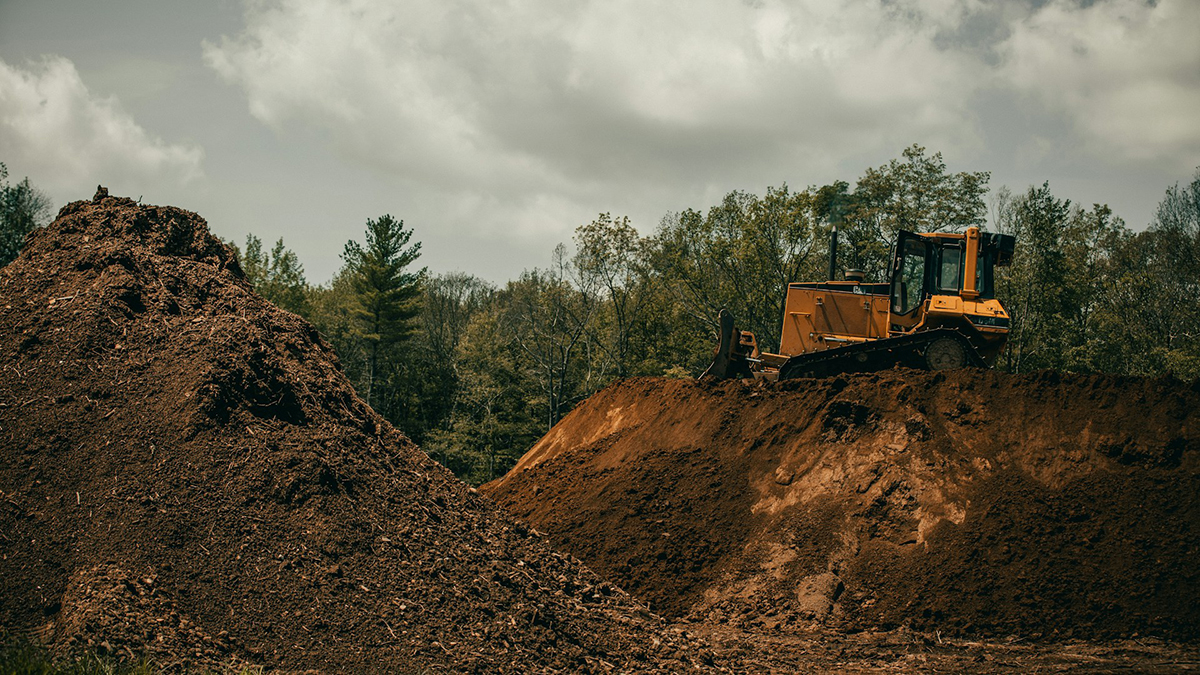
Best Practices for Eco-Friendly Excavation
Using eco-friendly excavation best practices helps construction projects meet green building standards. The techniques below may help minimize the environmental impacts commonly associated with excavation activities in construction projects.
Planning Before Breaking Ground
Early planning is crucial for safety, as excavation activities must comply with OSHA standards. Aside from protecting workers, proper planning protects the environment.
Comprehensive site assessments and soil analyses help teams understand topography, drainage and soil stability, as well as identify potential contamination sources that can affect both human health and the environment. Techniques such as 3D modeling and early engagement with sustainability consultants ensure minimal disturbance to the earth. Additionally, precision in planning limits unintended soil loss and protects existing ecosystems.
Knowing the soil composition also guides the selection of appropriate equipment techniques. Using methods that aren’t suitable for the site conditions can lead to excessive soil disruption and erosion and damage to the surrounding land. It may result in repeated passes, higher fuel consumption and greater emissions as well, all of which undermine sustainable building objectives.
Low-Impact Excavation Methods
Low-impact excavation methods focus on reducing disturbance while maintaining accuracy and efficiency. One approach that’s getting more common is vacuum excavation. Often referred to as non-destructive digging, it removes soil and debris from targeted areas with high precision without damaging the top layer, protecting existing flora and fauna, as well as nearby habitats.
Making the transition to electric-powered excavators and earth-moving machinery is another excellent option to reduce a project’s carbon footprint. These machines produce fewer emissions and operate more quietly than diesel-powered alternatives. Using them can help create a cleaner and less disruptive construction environment.
In addition, integrating GPS technology into excavation equipment improves accuracy and efficiency. GPS-guided systems allow for precise cuts and fills, which reduces unnecessary soil movement, limiting erosion and conserving resources.
Responsible Material Handling
Given the substantial amount of waste generated from construction projects that ends up in landfills, managing excavated soil and rock responsibly is crucial. Sorting and classifying excavated material allows projects to repurpose soil for landscaping, backfill or structural fill. These all help reduce waste and the environmental footprint of material handling. Moreover, on-site reuse of clean fill can dramatically cut transportation emissions and disposal costs.
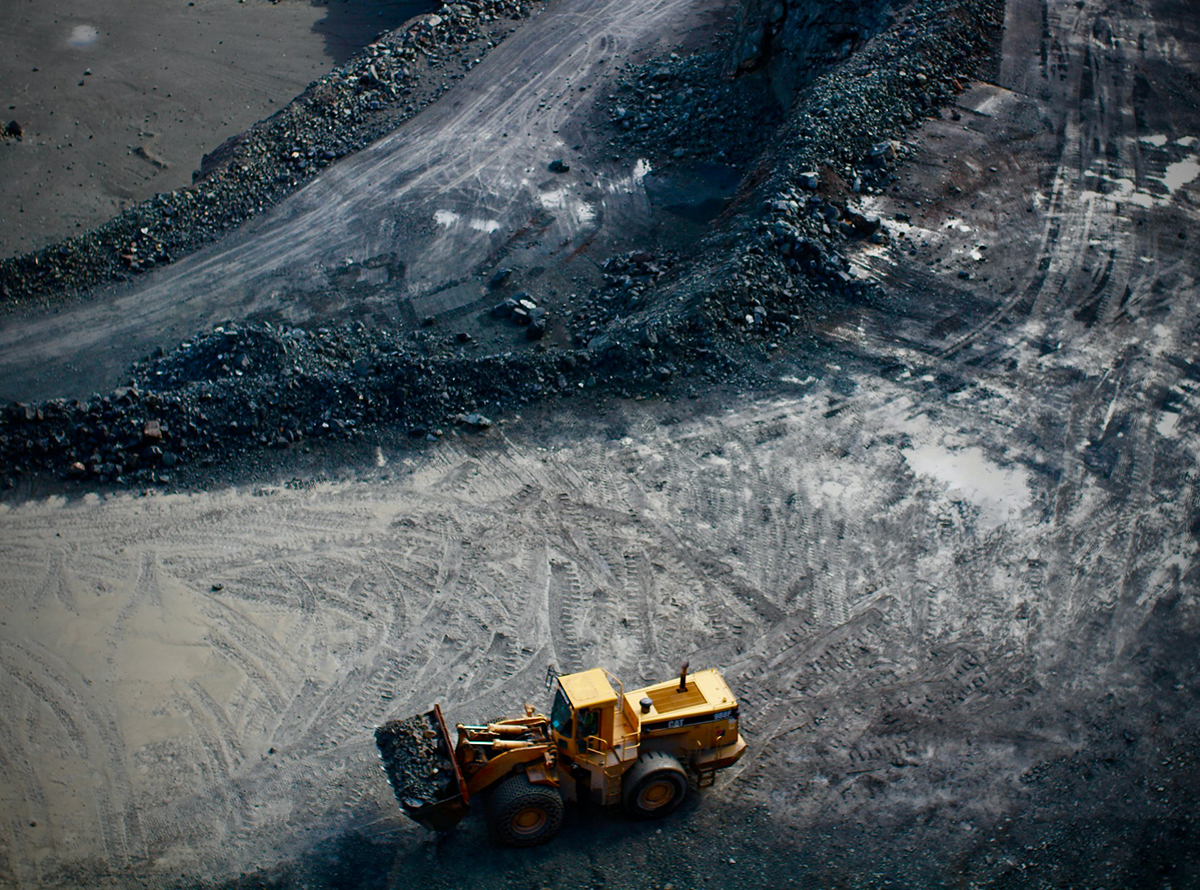
Benefits of Sustainable Excavation Practices
As the initial process of any construction project, excavation decisions have ripple effects that extend beyond the immediate earthworks. Misaligned practices can delay certification, lead to costly remediation and undermine long-term performance goals. On the other hand, aligning excavation with recognized standards can lead to both environmental and economic benefits.
One of the most immediate benefits of sustainable excavation practices is the minimal damage they cause to the surrounding environment. It preserves local ecosystems, reduces soil erosion and minimizes carbon emissions. Together, these outcomes make it easier for projects to meet the requirements of green building standards.
For many construction projects, the up-front costs of eco-friendly excavation are often the concern. However, it can lead to long-term savings. Reduced material handling, lower transportation needs and fewer risks of penalties due to environmental noncompliance can offset initial investments and contribute to better overall project value.
Building Better Starts Below the Surface
Excavation should be treated as a strategic sustainability decision. When best practices are integrated with recognized green building standards, construction projects can get measurable environmental and performance benefits.